January 2026 should have been a quiet month for hospitality. People were meant to be easing back into routine, wallets still feeling the festive season, and restaurant launches tucked away until later in the year. Instead, South Africa’s dining and drinking scene came out swinging, with a run of openings that felt unusually ambitious, a little more considered, and far more distinctive than the standard “new spot” announcement.
What made this wave interesting was not just that new places arrived, but that they arrived with point of view. In Cape Town and Johannesburg alike, the month produced rooms with character, menus with a clear identity, and atmospheres built for more than a quick visit. These are the openings that have been giving locals something fresher to talk about.
Cape Town, Reframed
Sea Point’s Arlecchino is the sort of opening that makes immediate sense for its neighbourhood. Set at 16 Regent Road and backed by the Tashas Group, it reads as polished but not precious, with enough quirk to keep it from feeling overly formal. The concept leans into modern Mediterranean cooking, but with the kind of careful adjustment that makes it work for South African diners rather than feeling imported whole. It is designed to move gracefully from daytime coffee to evening plates, which makes it less a single-purpose restaurant than a well-dressed all-day stop.
The name matters here too. Arlecchino translates to Harlequin, and that idea shows up in the room’s balance of elegance and playfulness. It aims to offer a brief coastal-Italy detour without becoming a theme park version of the Mediterranean. The result is a place that feels useful for locals who want atmosphere with their meal, not just a pretty room.
A few kilometres away, Omri on Victoria Road in Camps Bay takes a very different approach. The location suggests another ocean-view restaurant built for sunset traffic, but the interior pushes back against that predictability. Think soft blue frescoes, carved timber, draped fabrics, and booths that invite you to stay longer than you planned. The room is clearly part of the experience, but it is the food that is meant to carry the memory.
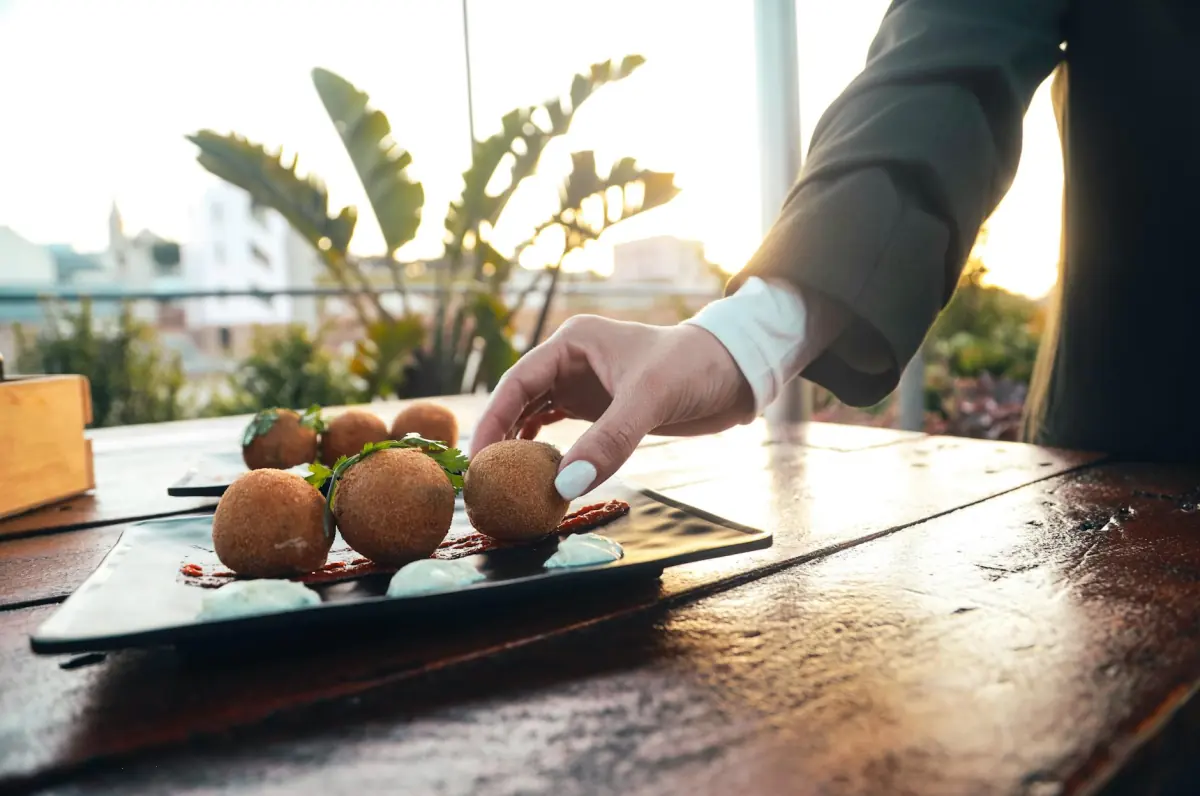
Omri’s Lebanese mezze format is built for sharing, which makes it especially good for groups who like to sample widely rather than commit to one plate. The kitchen leans on fresh ingredients, warm spice, and colourful dishes that encourage a bit of table conversation. In a part of Cape Town that can slip into the same formula repeatedly, that emphasis on flavour over scenery is exactly what gives Omri its edge.
On Bree Street, The Wiggle Room goes even smaller and bolder. With only twelve seats, it is closer to a chef’s counter than a conventional restaurant, and that intimacy is the point. Chef Ismail Amos, known to many as Fish, runs the evening without a fixed menu, shaping each service around what is fresh and available that day. The playlist guiding the night is part of the rhythm, which gives the room a sense of motion that matches its name.
In a city corridor crowded with good food, The Wiggle Room stands out by refusing to compete on the usual terms. It is playful, personal, and slightly unpredictable, which is exactly what makes it compelling. Dinner here feels less like booking a table and more like being invited into someone’s private, very well-judged house party.
Johannesburg After Dark
Johannesburg’s January contribution was just as strong, but in a different register. At the thirteenth floor of a building on Juta Street in Braamfontein, Hugh’s opened on 29 January 2026 as a tribute to Hugh Masekela and to the city’s appetite for a serious jazz room. The project comes from the Hugh Masekela Heritage Foundation and Adam Levy, with Masekela’s daughter representing the foundation at launch, which gives the venue a direct line to the legacy it celebrates.
This is not nostalgia for its own sake. Hugh’s answers a real frustration among local music lovers: the sense that older jazz rooms have disappeared before they were properly replaced. Inside, the details are tailored for long listening sessions rather than quick turnover, with velvet banquettes, a custom sound system, skyline views, and a drinks list that feels thoughtful without becoming fussy. The food is lighter by design, which keeps the focus where it should be.
There is also a civic side to the room. A portion of every ticket sold goes toward youth music initiatives, so a night out carries a longer shadow. That matters in a city where culture venues are too often treated as disposable. Hugh’s suggests the opposite: that a venue can be both good for now and useful for what comes next.
In Rosebank, Nine Lives took a sleeker route. Located inside The Hyde Hotel above Proud Mary, it opens as a hidden, after-dark cocktail bar with the sort of mood that rewards a late arrival. The room is low-lit, polished, and deliberately private, built for people who want the evening to stretch. It is the opposite of an early coffee stop; this is a bar that commits fully to night.
What gives Nine Lives its appeal is not gimmick but control. The drinks are made with flair, the interiors stay sleek rather than showy, and the overall effect is one of deliberate restraint. Johannesburg often feels as though it shuts its doors too soon. Nine Lives pushes back on that with a more sophisticated answer.
Why This Matters
What links these January openings is a shared refusal to be generic. Arlecchino offers a Mediterranean day-to-night rhythm in Sea Point. Omri makes Camps Bay feel less predictable. The Wiggle Room brings intimate, chef-led risk to Bree Street. Hugh’s restores jazz to the city with purpose. Nine Lives gives Johannesburg a sharper after-hours option.
Together, they suggest that South Africa’s hospitality scene is not simply adding more places to eat and drink. It is adding places with shape, mood, and intention. For anyone who likes their nights out with a bit more personality, January 2026 was unusually generous.